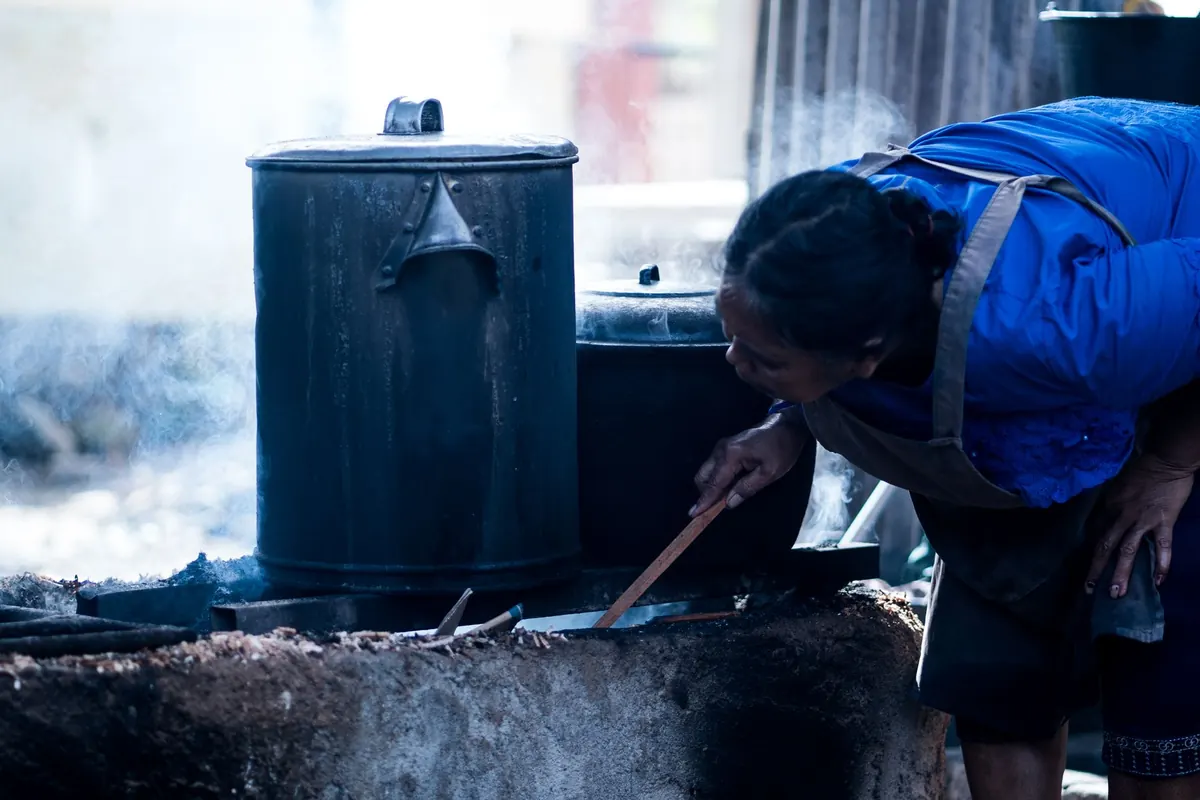
Cooking for a community pantry is a different job from cooking for your own table. The quantities are bigger, the ingredients come off a shelf rather than out of a garden, and whatever you make has to survive a car boot, a folding table and a queue of people who might not eat it until the next day. The dishes that cope best with all of that are usually the plainest ones: pots of pulse soup, trays of beans and rice, sturdy oat bakes. Here are ten that scale up cleanly and lean on pantry staples.
Build the Base Before You Choose a Recipe
Start with what your store cupboard can actually supply. A pantry fed by donations tends to have plenty of some things and nothing at all of others, so the recipes below are written to bend around whatever is on the shelf. If you have these, you can cook most of the list without a single trip to the shops:
- Dried red lentils, split peas and pearl barley — cheap, filling, and they thicken a pot without any help
- Tinned tomatoes, passata and tomato purée
- Tinned beans, chickpeas and butter beans, plus tinned sweetcorn
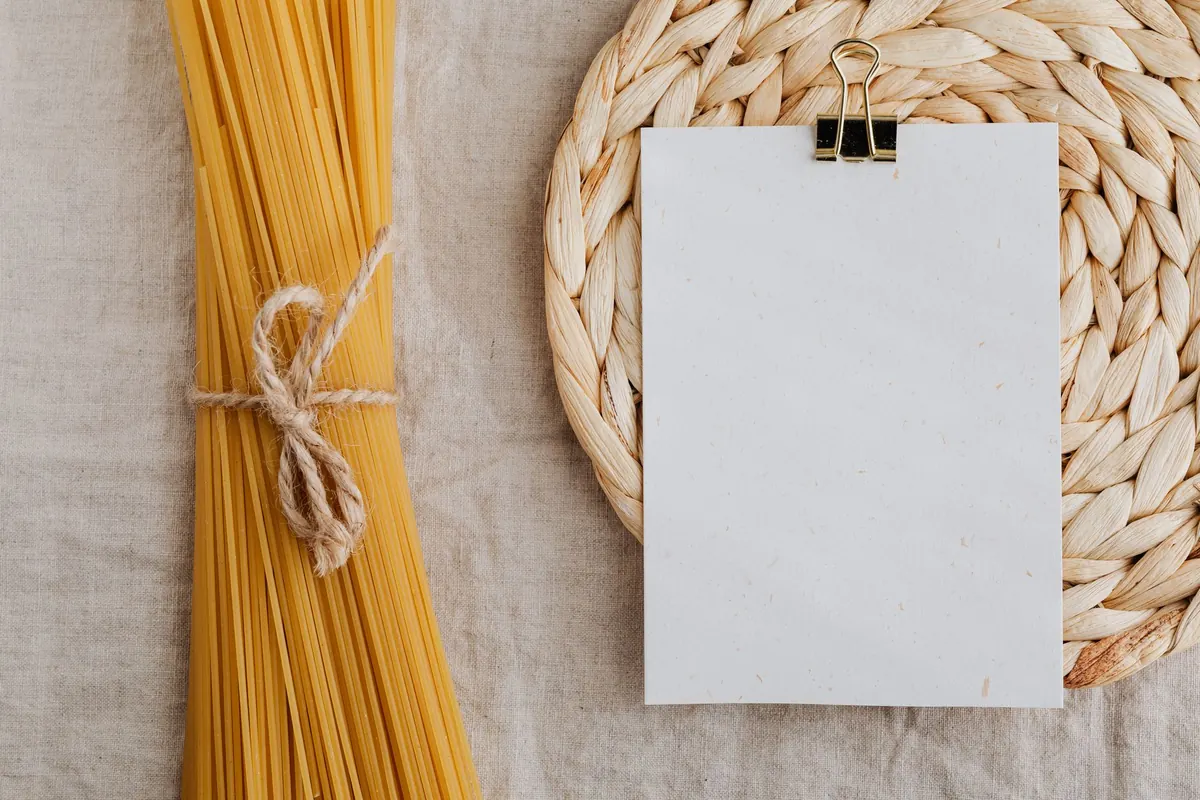
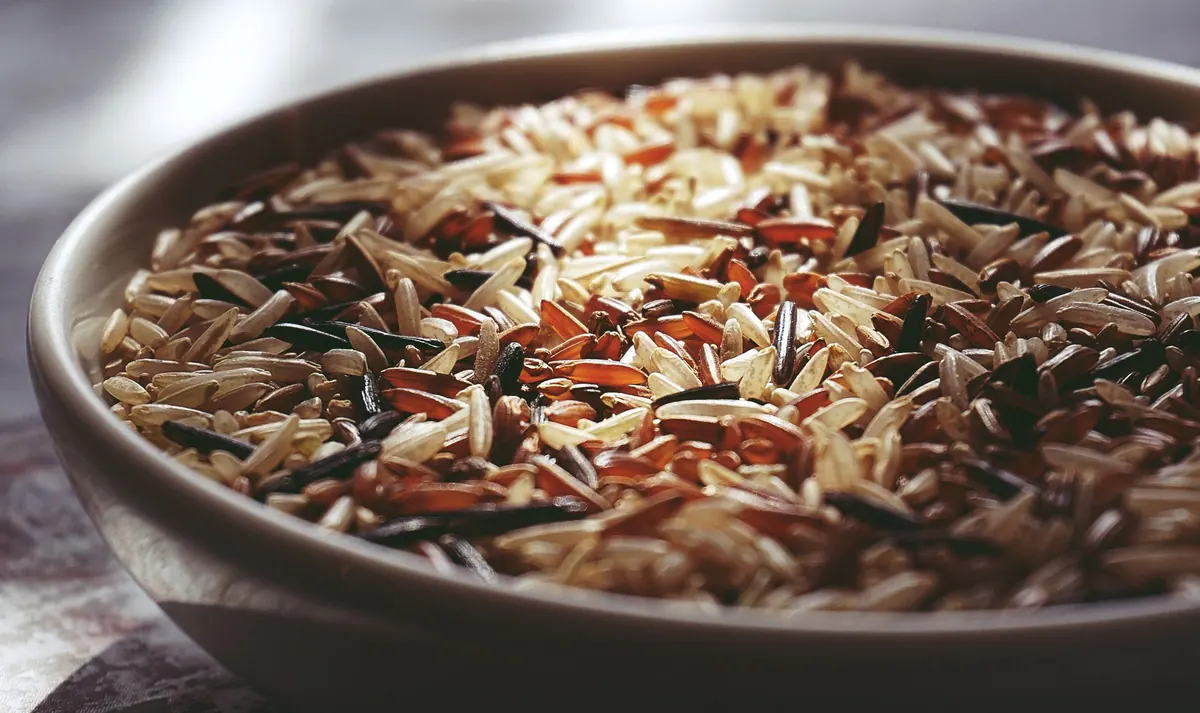
- Dried pasta, long-grain rice and oats
- Stock cubes, curry powder, paprika, cumin, dried mixed herbs, black pepper
- Long-life milk (UHT or evaporated), neutral oil, sugar, plain flour, bicarbonate of soda
- Dried fruit, seeds and tinned fruit for the baking tray
One working ratio worth writing on the wall: for pulse soup, use roughly one part dried pulses to four parts liquid by volume. Everything else can be adjusted by taste.
Four Big Pots of Soup
Soup is the most economical way to feed a crowd and the least fussy about timing. Make it slightly thicker than you would serve at home — it loosens as it stands and travels better with some body to it.
Lentil and Tomato
Fry chopped onions in oil until soft, stir in curry powder or dried herbs, then add tinned tomatoes, red lentils, stock and water. Simmer for about twenty-five minutes until the lentils collapse. Blend it smooth or leave it rustic, then add a splash of vinegar or lemon at the end to lift the flavour. This one freezes beautifully.
Split Pea and Carrot
Split peas need longer — forty-five minutes to an hour — and they repay the patience with a thick, sweet soup. Add diced carrot, a bay leaf if you have one, and plenty of black pepper. No soaking needed. Stir often near the end, as split peas catch on the bottom of the pan.
Chickpea and Tomato with Spices
Two tins of chickpeas to two tins of tomatoes, with cumin, ground coriander, chilli and a spoonful of sugar to balance the acidity. Crush about a third of the chickpeas against the side of the pot to thicken the broth without adding flour.
Barley, Bean and Herb Broth
Pearl barley, butter beans, dried mixed herbs and any tinned vegetables you have — potatoes, carrots and sweetcorn all work. Barley gives a satisfying chew and holds its texture even after reheating, which most pasta will not.
Three Casseroles and Bakes
These hold heat well and portion neatly into foil trays, which makes them easy to hand over at a table without a queue forming.
Bean and Vegetable Casserole
Tinned beans, tinned tomatoes, tinned potatoes or carrots, smoked paprika and a spoonful of mustard. Simmer for half an hour, then thicken with a little cornflour slurry if it looks loose. It improves overnight.
Tuna and Sweetcorn Pasta Bake
Cook dried pasta a minute short of the packet time. Fold it through a white sauce made with long-life milk, then add tinned tuna and sweetcorn, top with breadcrumbs and bake until the edges bubble. No fresh milk required.
Mexican-Style Bean and Rice Bake
Cook rice, then mix it with tinned beans, tomatoes and sweetcorn, cumin, paprika and a little chilli. Spread in trays, top with grated cheese if you have it, and bake until the top is crisp. Season the rice well while it is hot; cold rice takes salt poorly.
Three Bakes That Survive a Journey
Oat and Apple Traybake
Tinned apple, oats, plain flour, oil, sugar and cinnamon, pressed into a lined tray and baked until firm. Cut into squares while warm. It stays moist for days and needs no icing.
Wholemeal Soda Bread
Wholemeal flour, bicarbonate of soda, salt and buttermilk — or long-life milk with a squeeze of lemon left to sit for ten minutes. No proving, no yeast, no waiting. Bake in slabs and cut into squares for sharing.
Fruit and Seed Flapjack
Oats, dried fruit, seeds, sugar or syrup and oil, melted together and pressed hard into a tray. Press it down firmly or it crumbles in transit. Cut while warm, cool completely before stacking.
Cooling, Portioning and Labelling
This is the part that decides whether your cooking is genuinely useful or a food safety problem waiting to happen.
- Cool fast. Spread food in shallow trays rather than leaving a deep pot on the stove, where the centre stays warm for hours.
- Refrigerate within two hours and keep chilled food below 5°C. If you cannot chill it in time, that batch is better frozen or shared immediately.
- Portion into clean containers and label each one with the dish name, the date it was made, and the allergens it contains. Gluten, milk, fish, mustard and celery are the ones that turn up most often in these recipes.
- Freeze anything you will not give away within a couple of days, and reheat until piping hot all the way through.
- Keep a note of which dishes disappear first. That tells you more about your community than any survey will.
Rules on cooking for the public vary by area, so check with your local food safety or environmental health service before you start, and ask them directly if anything is unclear. What follows is general kitchen guidance, not legal advice.
Make It a Rotation, Not a One-Off
The pantries that share the most food are not the ones with the most ambitious cooks; they are the ones with a rhythm. Pick one cooking day a fortnight. Cook two soups and one traybake. Use the same pot and the same containers every time so you learn exactly how much fits and how long it takes.
Write down your quantities as you go — pot size, number of tins, how many portions came out — and keep the sheet in the kitchen. After three or four rounds you will have your own house recipes, tested at your own scale, with your own volunteers. Then invite people to tell you what they would like next. A pantry that cooks what its neighbours actually want will always waste less and share more.
Photo: neilstha firman / Pexels