The box of macaroni and cheese is generous. For the household whose child has celiac disease, it is also unusable — and it occupies shelf space that a bag of rice pasta could have filled. Community pantries serve neighbors managing food allergies, celiac disease, lactose intolerance, and other conditions that turn an ordinary box of staples into a problem instead of a gift. Stocking for them does not require a second pantry. It takes a few deliberate choices about what goes on the shelf, how it is packed, and what the label says.
Start With the Needs You Actually See
Before ordering anything, find out what your guests are avoiding. The most reliable way is to ask, briefly and without drama, at intake: "Are there foods your household needs to avoid?" A checkbox list on the sign-in sheet — gluten, dairy, nuts, eggs, soy, sesame, shellfish, other — gives you a running count over a few months. Twenty guests avoiding gluten is a different pantry problem than one.
Resist the urge to stock everything. A small pantry with ten well-chosen gluten-free items beats a shelf of forty products nobody asked for. If you serve a particular community, the allergens and the staples will look different, and the people you serve are the best source of information about both.
One note on scope: this is operational guidance for pantry staff and volunteers, not medical advice. Guests managing a diagnosed allergy or celiac disease should get specific questions answered by their clinician or a registered dietitian.
Know Which Ingredients Cause the Trouble
Labeling rules vary by country, but a core group shows up almost everywhere: milk, eggs, fish, shellfish, tree nuts, peanuts, wheat, soybeans, and sesame. Gluten deserves separate attention because it is not the same as wheat. Barley, rye, and triticale contain gluten, and standard oats are often cross-contaminated with wheat during growing and milling. Someone avoiding gluten for celiac disease is not being fussy — for them, a small amount matters.
Two distinctions save volunteers from mistakes:
- Wheat-free is not gluten-free. A product can contain no wheat and still contain barley malt or rye.
- An allergy is not an intolerance. Both matter, but allergies can be life-threatening, so cross-contact controls deserve real attention.
Read Labels at the Donation Table
Most labeling mistakes happen at intake, not on the shelf. Open every box and bag before it goes into general stock, and check three things: the ingredient list, the "contains" statement, and any advisory wording such as "may contain" or "made on equipment that also processes." Those advisory lines are voluntary in many places, but they are the best information you have.
Watch for gluten hiding under other names: malt, malt flavoring, malt vinegar, brewer's yeast, and modified food starch where it is derived from wheat. Soy sauce is usually made with wheat; tamari often is not. Canned soups and broths frequently use wheat flour as a thickener.
Third-party certification marks, such as a certified gluten-free seal, mean a company has met a defined testing standard. Treat them as a useful signal, not a guarantee — formulas change without notice, so check each new batch rather than trusting last month's verdict.
Home-kitchen donations, repackaged flour, and unlabeled bags are the hardest cases. Route them to general stock unless the donor can show the original packaging. It is kinder to say no at the table than to hand someone a product they cannot use.
Store Allergen-Free Items So They Stay That Way
Cross-contact is the quiet problem. A scoop used in a bin of wheat flour and then in a bin of rice flour defeats the purpose of stocking rice flour at all.
- Keep allergen-free items in sealed, lidded containers rather than open bins guests scoop from.
- Store each scoop inside its own container, and never share scoops between containers.
- Put gluten-free grains and flours on a separate shelf, ideally above open flour rather than below it, so dust cannot drift down.
- Wipe counters and scales between products; flour dust lingers on cloths and hands.
- Keep nut and seed butters away from jam and honey so knives are not shared.
- Date everything at intake and rotate oldest to the front.
If space allows, a clearly marked gluten-free shelf or cabinet stops volunteers and guests from second-guessing.
A Stocking List That Covers the Basics
You do not need specialty products to serve most guests well. These categories cover a lot of ground:
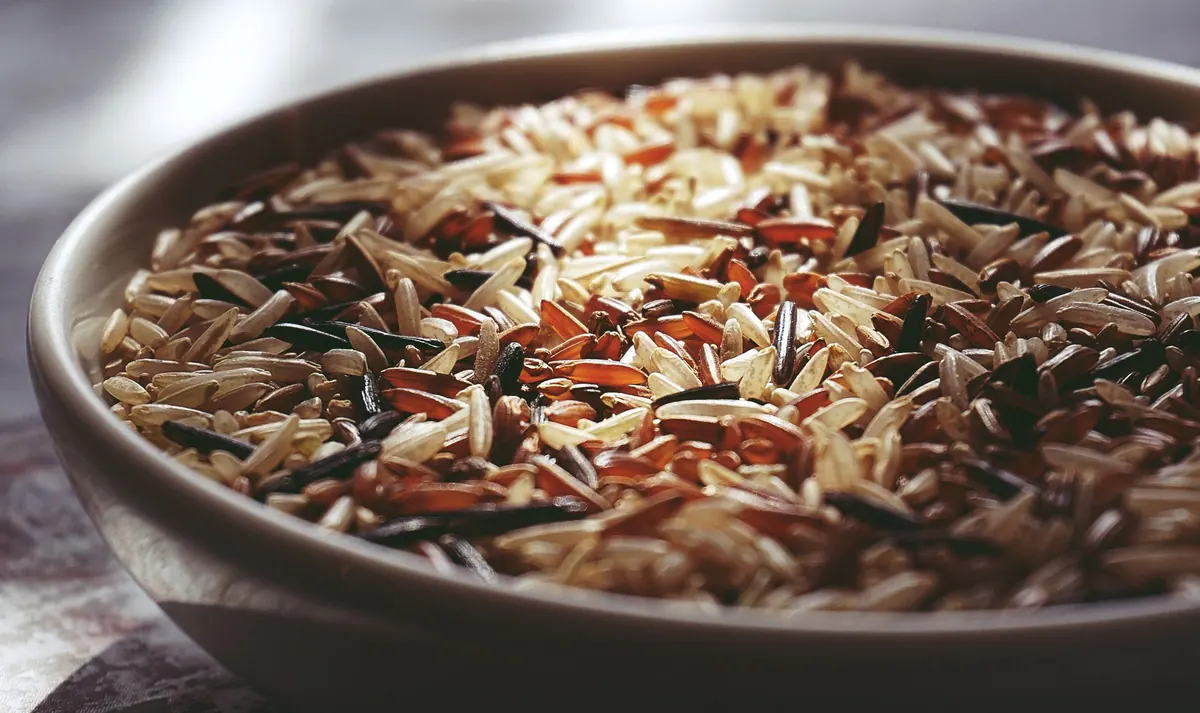
- Grains: rice, cornmeal, millet, buckwheat, quinoa, and certified gluten-free oats.
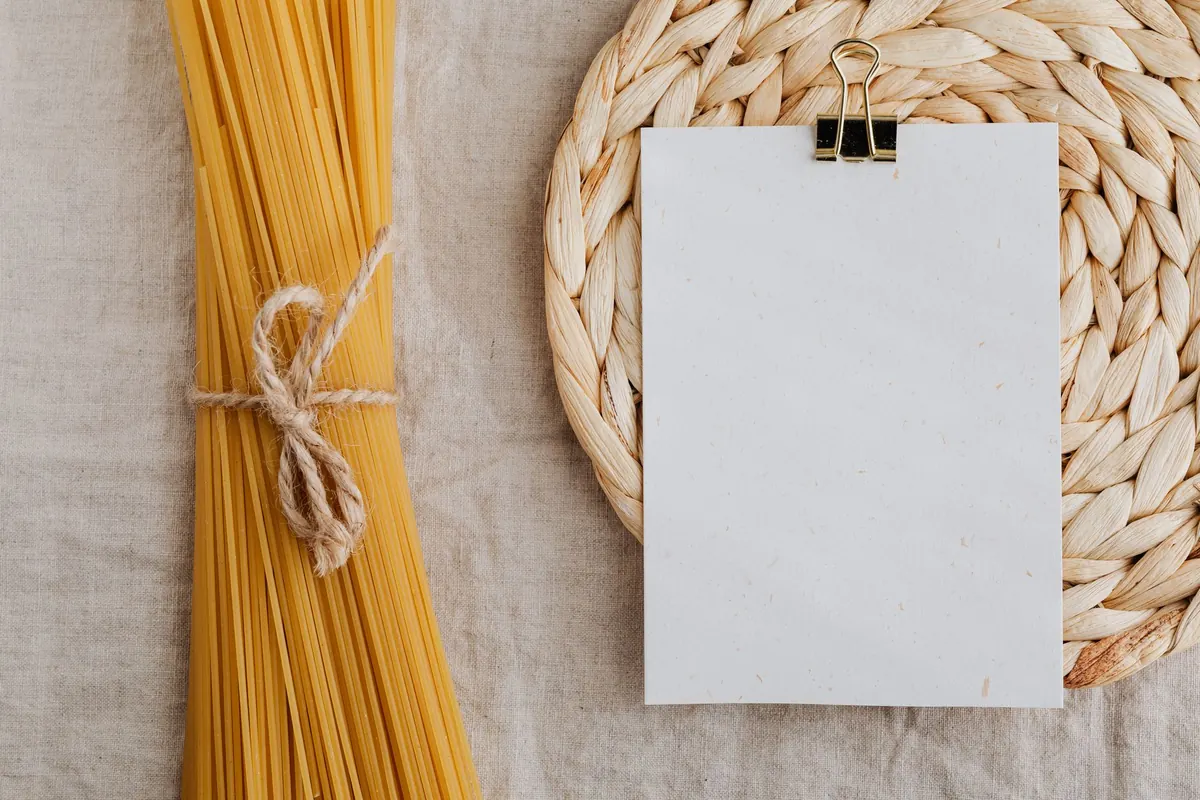
- Pasta and noodles: rice pasta, corn pasta, rice noodles, and legume pastas — kept separate, since legume pasta will not suit someone avoiding lentils or chickpeas.
- Canned and jarred goods: beans, chickpeas, lentils, tuna, tomatoes, fruit in juice, applesauce. Plain is usually safest.
- Flours and starches: rice flour, cornstarch, tapioca starch, potato starch, chickpea flour. Check blends — many contain almond or other nut flours.
- Broths, soups, and sauces: stock labeled gluten-free, tamari, distilled vinegar (malt vinegar is not gluten-free), plain tomato sauce.
- Shelf-stable milk alternatives: rice, soy, coconut, and oat drinks, with oat drinks checked for gluten-free labeling.
- Snacks: rice cakes, plain chips, dried fruit, nut-free seed bars.
Single-ingredient items are easier to verify, easier to cook with, and stretch further in a household kitchen than seasoned blends.
Signage and Simple Records
What volunteers know, guests do not. A laminated sign on the gluten-free shelf, an allergen key posted at intake, and a binder or spreadsheet listing each product with its allergens turn guesswork into a two-second check.
When you decant anything into a clear container, tape the original label inside the lid or keep a photo on the clipboard. Write the product name, the date received, and any allergen notes on the container itself. If you build a shopping list for next month, note what guests actually took — that is your best evidence of what to buy again.
Offer choices without an interrogation. A simple line at the door does the work: "We keep gluten-free and nut-free items on the green shelf — ask any volunteer." No proof required, no explanation demanded, and no one has to describe a medical condition to get dinner.
Start With One Shelf
- Add a dietary question to your intake form and tally the answers for a month.
- Clear one shelf, label it clearly, and stock six basics: rice, rice pasta, canned beans, plain applesauce, a gluten-free broth, and a certified gluten-free oat product.
- Set rules for scoops and sealed containers, and post them where volunteers pack bags.
- Check labels at intake, and move anything un
Photo: Suzy Hazelwood / Pexels