5 Common Mistakes When Donating Food to a Community Pantry (and How to Avoid Them)
You cleared out the cupboard, filled a bag, and dropped it at the community pantry door. It feels like a good deed, and it is. But the volunteer sorting donations the next morning will find three tins well past their date, half a bag of rice, and an unlabelled jar of homemade jam. Sorting that takes time the pantry does not have, and some of it goes straight into the bin.
Almost nobody does this on purpose. Donating feels simple; receiving is complicated. A pantry has to check, sort, store and hand out everything that arrives, usually with a small team and very little shelf space. Knowing a few basics from the other side of the table means less waste and more food reaching the people who need it.
Mistake 1: Passing On Food That Is Past Its Date
Volunteers check dates on nearly every item, and a bag of out-of-date tins can double the time it takes to process a delivery. It also puts the pantry in an awkward position: bin something that looks perfectly fine, or hand it out and take a risk?
Dates are not all the same. A "best before" date is about quality — food past it may be stale but is often still fine. A "use by" date is about safety, and food should not be eaten after it. Pantries add their own rules on top of that, and many accept nothing past its date. So before you bag anything up:
- Does it carry a use-by date? If that date has passed, it is not a donation.
- Is the best-before date past? Some pantries run a clearly marked "use first" shelf for these; most do not. Ask.
- Is the date faint or hidden under a flap? Circle it with a marker so nobody has to hunt for it.
It helps to think about the person receiving the food. A parent may be relieved to get a tin of soup, but they should not have to wonder whether it is safe. A volunteer should not have to guess whether a yogurt is three days or three weeks out of date. If a date is genuinely borderline, ask the pantry first. If they say no, do not leave it in the bag for someone else to decide.
If the pantry cannot take it, eat it yourself if it is genuinely fine, or compost it. Do not leave it in the bag for someone else to decide.
Mistake 2: Donating Opened, Part-Used or Repackaged Items
A half-full bag of pasta, an open box of cereal, a tub of protein powder with the scoop missing. It is easy to see these as perfectly good food. From the pantry's side, they are a problem, because nobody can confirm how they were stored, whether they were contaminated, or how long they have been open.
Most pantries will not distribute opened food, and for good reason: once the seal is broken, no one can know what happened next. It may have been left near raw meat, stored in a warm car, or handled with unwashed hands. Repackaging creates another problem. The original label, allergen warning, cooking instructions and date are gone. A ziplock bag of oats with "porridge" written on it is not enough information for a volunteer to hand to a family.
Examples of items that usually cannot be donated include:
- Open boxes of cereal, crackers, pasta or rice.
- Part-used jars of peanut butter, jam, honey or sauce.
- Homemade jams, pickles, canned vegetables or baked goods, unless the pantry explicitly asks for them and follows local food-safety rules.
- Bulk items decanted into smaller bags or containers.
- Containers with missing scoops, labels or instructions.
If you have opened food that is still safe, finish it at home, share it with a neighbour with their knowledge, or compost it. If you have a sealed multipack and want to split it, keep each item in its original sealed wrapper. Do not combine different foods into one bag.
Mistake 3: Assuming Every Item Is Useful
Pantries are not warehouses. They have limited shelves, fridges and volunteer hours. A donation is only useful if it fits what the pantry can store and what its visitors will eat. That giant catering tin of peeled tomatoes might be a bargain, but if it needs to be used within a few days of opening, it can be a burden for a household without much fridge space. Twenty jars of mustard might be welcome; twenty jars of cocktail onions usually are not.
Common mismatches include:
- Specialty ingredients no one has asked for, such as truffle oil, capers or cake decorating sprinkles.
- Diet products, slimming shakes or medical nutrition drinks that may not suit anyone's dietary needs.
- Very large bags of flour, rice or sugar that cannot be divided safely.
- Items that require equipment many households do not have, such as a blender, slow cooker or freezer.
- Alcohol, which many pantries cannot accept or distribute.
Instead, ask what is on the pantry's wish list. Most need sturdy staples: tinned beans, tomatoes, soup, vegetables, fruit, tuna, chicken, corned beef, peanut butter, pasta, rice, cereal, oats, UHT milk, tea, coffee and baby formula if they can verify it. Also ask about culturally specific foods. If the pantry serves a large Somali, Syrian, Ukrainian or South Asian community, a bag of lentils, halal tinned meat or familiar spices may be far more useful than a luxury item.
“The best donations are boring,” one pantry coordinator told me. “Rice, pasta, tinned tomatoes and a box of tea. We can build meals from that.”
Mistake 4: Leaving Donations Outside or Dropping Them Off at the Wrong Time
It is tempting to leave a bag by the door on your way to work. But food left outside can be spoiled by sun, rain, frost, pests or theft. Frozen and chilled food can become unsafe within hours. Even dry goods can be ruined if a fox tears the bag or a sprinkler soaks the box.
Before you donate, check the pantry's opening hours and drop-off instructions. Some have a secure donation bin that is monitored; others only accept food when a volunteer is present. If you are unsure, call or send a message. A two-minute phone call can prevent a whole morning of sorting and binning.
If you have fresh produce, eggs, milk or other perishables, never leave them without asking. Some pantries have fridges and can accept them during set hours. Others cannot take them at all and will pass them to a local food rescue group. A coordinated drop-off means the food stays cold and reaches people quickly.
Mistake 5: Ignoring Packaging, Labels and Separation
Volunteers need to check every item for damage, recalls and allergens. Donations that are leaking, rusted, bulging, dented along the seam or covered in dust slow that process down. A bulging tin can be a sign of botulism; a rusty tin may have a compromised seal. When in doubt, throw it out — do not pass the decision to a volunteer.
Labeling matters, too. If you are donating a sealed item with a faint date, circle it. If you are donating a mixed bag, keep food separate from non-food items. Toiletries, cleaning products, pet food and baby nappies are often welcome, but they should be in a separate bag and clearly marked. Do not put a bottle of bleach next to a bag of rice.
Finally, think about how your donation arrives. A strong box or bag that will not split is easier to handle. Group similar items together — all tins in one bag, all pasta in another — so volunteers can shelve them faster. Small gestures like this save time, and time is one of the most valuable things a community pantry has.
Extra Section: A Simple Donation Checklist
Use this checklist before you load the car:
- Check dates. No use-by items past their date. Ask about best-before rules.
- Keep it sealed. No opened, part-used, homemade or repackaged food unless the pantry explicitly accepts it.
- Ask what is needed. Check the wish list or call ahead. Staples beat surprises.
- Respect opening hours. Do not leave perishables outside. Use the official donation point.
- Protect the food. Bag tins separately from pasta, and keep non-food items apart.
- Label and circle. Highlight dates and allergens. Include instructions if the packaging is unusual.
- Be honest. If something is damaged, leaking or unsafe, recycle or bin it yourself.
Extra Section: How to Ask Before You Donate
If you are not sure whether something is wanted, ask a simple question: “I have a sealed box of X and a bag of Y. Would these be useful, and when can I drop them off?” That gives the pantry room to say yes, no, or “we need Z more than X.”
You can also ask about their most urgent needs. Many pantries post a current wish list online, but those lists change quickly. A week before a school holiday, they may need easy lunch items. After a cold snap, they may need soup and hot drinks. At the end of the month, they may be short on baby formula or nappies. Matching your donation to the moment makes it more than a good intention; it makes it useful.
Donating to a community pantry is a generous act. With a little preparation, it becomes a generous act that volunteers can actually use. The goal is not a perfect donation. It is a safe, respectful, useful one — one that feeds people instead of filling a bin.
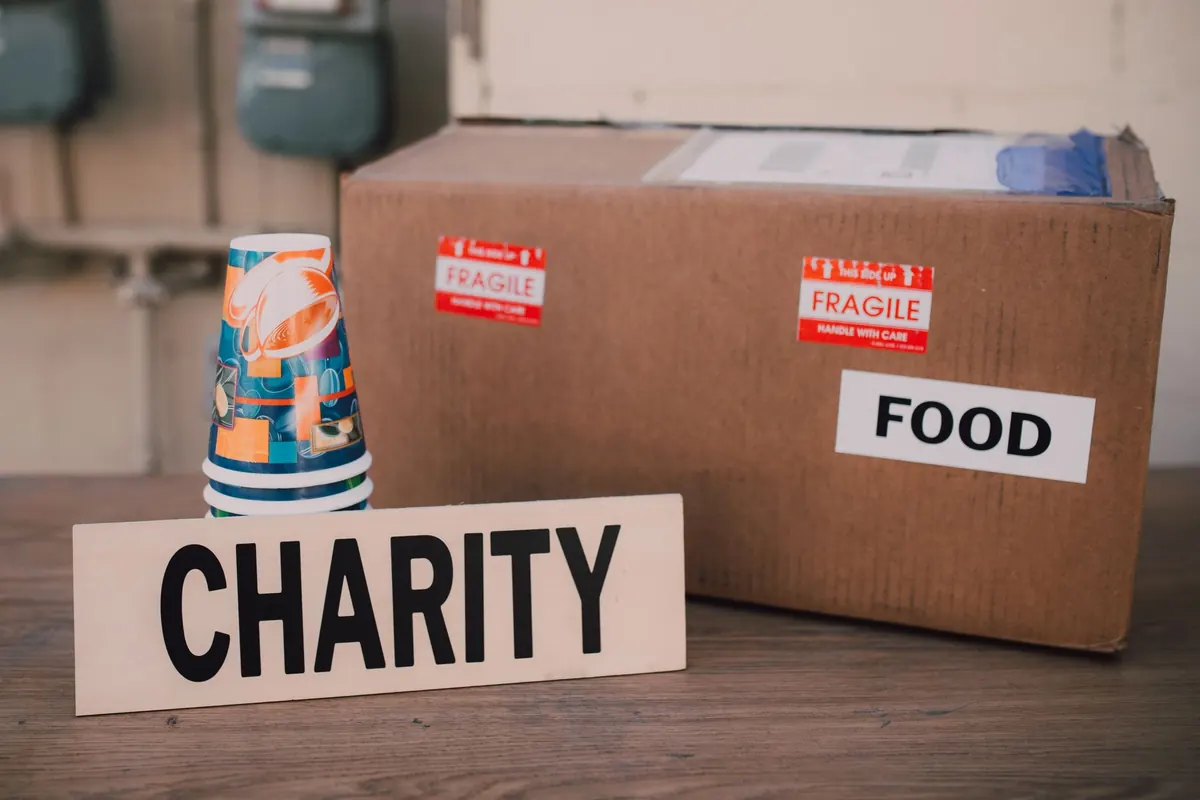
Photo: RDNE Stock project / Pexels